
With Best group activities for regular physical exercise at the forefront, this paragraph opens a window to an amazing start and intrigue, inviting readers to embark on a storytelling journey filled with unexpected twists and insights. Group activities not only promote physical fitness but also provide a fun and social way to stay active.
Let’s dive into the world of group exercises that make working out a team effort!
Benefits of Regular Physical Exercise
Regular physical exercise is crucial for maintaining overall health and well-being. It plays a significant role in improving physical fitness and mental wellness, ultimately leading to a healthier lifestyle. Let’s explore the various benefits of incorporating regular exercise into your routine.
Contribution to Physical Fitness
Regular exercise helps in improving cardiovascular health, increasing muscle strength, enhancing flexibility, and boosting endurance. It also aids in maintaining a healthy weight, reducing the risk of obesity, and promoting better posture. By engaging in physical activities, individuals can improve their overall physical fitness levels, leading to a more active and energetic lifestyle.
Impact on Mental Wellness
Exercise is not just beneficial for the body but also for the mind. Regular physical activity is known to reduce stress, anxiety, and depression by releasing endorphins, the feel-good hormones. It can also improve mood, boost self-esteem, and enhance cognitive function.
Engaging in exercise can help individuals feel more relaxed, focused, and mentally sharp, contributing to better mental well-being.
Prevention of Chronic Diseases, Best group activities for regular physical exercise
One of the key benefits of regular physical exercise is its ability to prevent chronic diseases such as heart disease, diabetes, and certain types of cancer. By maintaining a healthy weight, managing blood pressure and cholesterol levels, and improving overall fitness, individuals can significantly reduce their risk of developing these debilitating conditions.
Regular exercise also helps in strengthening the immune system, making the body more resilient to illnesses and infections.
Group Activities for Regular Physical Exercise
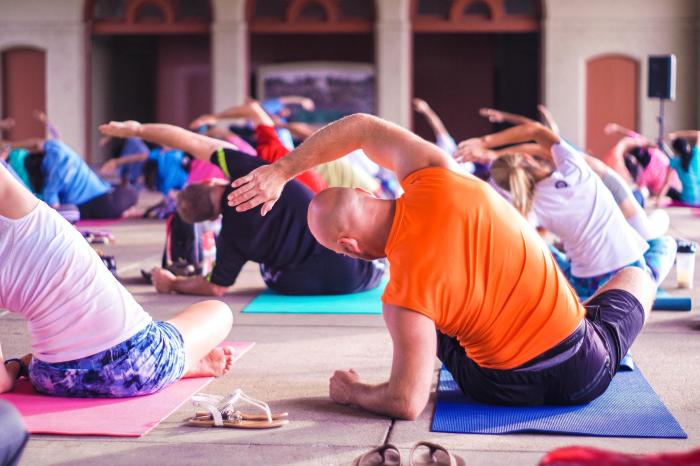
Regular physical exercise is crucial for maintaining overall health and well-being. Engaging in group activities can make exercising more enjoyable, motivating, and social. Here are some popular group activities suitable for regular physical exercise:
1. Group Fitness Classes
- Group fitness classes, such as Zumba, spinning, or boot camp, are great ways to stay active while having fun with others.
- These classes are led by instructors who guide participants through a series of exercises, providing motivation and accountability.
- Exercising in a group setting can help individuals push themselves harder and stay consistent with their workouts.
2. Team Sports
- Playing team sports like basketball, soccer, or volleyball not only provides physical exercise but also fosters teamwork and camaraderie.
- Being part of a team can motivate individuals to show up for practice and games regularly, boosting their overall fitness levels.
- Team sports offer a competitive element that can make exercising more engaging and rewarding.
3. Outdoor Group Activities
- Hiking, cycling, or group runs are excellent ways to enjoy the outdoors while getting a good workout in.
- Exercising in nature with a group can be refreshing and inspiring, making the workout more enjoyable.
- Group outdoor activities also provide a sense of community and support, encouraging participants to stick to their fitness routines.
Importance of Balanced Diet for Exercise
When it comes to physical exercise, having a balanced diet is crucial for providing the necessary nutrients to support your body’s needs. Proper nutrition plays a significant role in enhancing exercise performance, promoting muscle recovery, and overall optimal health.
Role of Nutrient-Rich Foods
Eating a diet rich in nutrients can help improve your exercise performance by providing the necessary energy and building blocks for muscle growth and repair. Here are some examples of foods that can enhance exercise performance:
- Fruits and Vegetables: Rich in vitamins, minerals, and antioxidants that help reduce inflammation and support overall health.
- Lean Protein Sources: Essential for muscle repair and growth, such as chicken, fish, tofu, and legumes.
- Whole Grains: Provide a source of sustained energy for workouts, such as brown rice, quinoa, and whole wheat bread.
- Healthy Fats: Aid in nutrient absorption and provide energy, found in foods like avocados, nuts, and seeds.
Complementing Physical Activity with Proper Nutrition
While regular physical activity is important for maintaining a healthy lifestyle, combining it with proper nutrition is key for optimal health benefits. Eating a balanced diet ensures that your body has the fuel it needs to perform well during exercise, promotes faster recovery, and reduces the risk of injuries.
Adequate Hydration for Physical Exercise
Staying properly hydrated is crucial when engaging in physical exercise as it plays a vital role in overall performance and recovery.
Significance of Hydration
Hydration is essential for regulating body temperature, lubricating joints, and aiding in nutrient transportation throughout the body. During exercise, the body loses fluids through sweat, which can lead to dehydration if not replenished adequately.
Improvement in Performance and Recovery
Proper hydration levels can significantly improve performance during exercise by maintaining optimal blood volume, which helps deliver oxygen to muscles more efficiently. Additionally, staying hydrated aids in the recovery process post-workout by reducing muscle soreness and fatigue.
Tips for Maintaining Hydration Levels
- Drink water before, during, and after exercise to prevent dehydration.
- Monitor your urine color – light yellow signifies proper hydration.
- Consider electrolyte-rich drinks for intense workouts to replenish lost minerals.
- Avoid excessive caffeine and alcohol consumption, as they can lead to dehydration.
- Carry a water bottle with you at all times to ensure easy access to fluids.
Tips for Maintaining a Healthy Lifestyle
Regular physical exercise is essential for a healthy lifestyle, but it’s equally important to incorporate other factors to ensure overall well-being. Here are some tips to help you maintain a healthy lifestyle:
Incorporating Regular Exercise into Daily Routine
One of the best ways to ensure you get enough exercise is to make it a part of your daily routine. This could include taking a morning walk, cycling to work, or joining a group exercise class. Find activities you enjoy and make them a regular part of your day.
Importance of Quality Sleep
Quality sleep is crucial for physical fitness and overall well-being. Aim for 7-9 hours of sleep each night to allow your body to rest and recover. Poor sleep can lead to fatigue, decreased performance, and increased risk of injury.
Benefits of Stress Management Techniques
Stress can have a negative impact on your health and fitness goals. Incorporating stress management techniques such as meditation, deep breathing exercises, or yoga can help reduce stress levels and improve overall well-being. A calm mind can lead to better focus, performance, and recovery.
Promoting Immune Health through Exercise
Regular exercise plays a crucial role in boosting the immune system. When we engage in physical activity, our bodies undergo various positive changes that help enhance our immune function. This leads to a stronger defense against illnesses and infections.
Benefits of Regular Exercise for Immune Health
Regular physical activity can contribute to a stronger immune system by:
- Reducing inflammation in the body, which can help prevent chronic diseases and boost overall immunity.
- Improving circulation, allowing immune cells to move more efficiently throughout the body to detect and fight off pathogens.
- Reducing stress levels, as high stress can weaken the immune system, making us more susceptible to illnesses.
- Enhancing sleep quality, which is essential for a well-functioning immune system.
Incorporating Immune-Boosting Exercises
To incorporate immune-boosting exercises into your fitness routine, consider activities such as:
- Cardiovascular exercises like running, cycling, or swimming, which can help improve circulation and strengthen the heart.
- Strength training, which can build muscle mass and increase metabolism, contributing to overall health and immunity.
- Yoga or Pilates, which focus on flexibility, balance, and mindfulness, promoting both physical and mental well-being.
- Outdoor activities like hiking or gardening, which expose you to sunlight and fresh air, supporting vitamin D production and overall health.
Strategies for Achieving Cardiovascular Health
Regular physical exercise plays a crucial role in maintaining cardiovascular health. Cardio exercises specifically target the heart and circulatory system, helping to improve endurance, strengthen the heart muscle, and reduce the risk of heart disease.
The Role of Cardio Exercises in Maintaining Heart Health
Cardio exercises, also known as aerobic exercises, involve repetitive movements that increase the heart rate and breathing rate. This helps to improve the efficiency of the heart in pumping blood and oxygen throughout the body. By engaging in cardio workouts, individuals can lower their blood pressure, reduce cholesterol levels, and improve overall cardiovascular fitness.
- Running: Running is a high-impact cardio exercise that helps improve cardiovascular endurance and strengthen the heart muscle.
- Cycling: Cycling is a low-impact cardio workout that is gentle on the joints but still effective in improving heart health.
- Swimming: Swimming is a full-body workout that engages the cardiovascular system, promoting heart health and overall well-being.
Impact of Regular Cardio Exercise on Well-Being and Longevity
Engaging in regular cardio exercise not only benefits heart health but also contributes to overall well-being and longevity. Cardio workouts can help reduce stress, improve mood, boost energy levels, and enhance quality of sleep. By maintaining a consistent cardio routine, individuals can increase their life expectancy and enjoy a higher quality of life.
Mindful Living for Emotional Balance
Practicing mindfulness is crucial for maintaining emotional balance and overall well-being. It involves being fully present in the moment, acknowledging your thoughts and feelings without judgment, and cultivating a sense of awareness.
Incorporating Mindfulness into Daily Life
Here are some techniques to help you incorporate mindfulness practices into your daily routine:
- Awareness of Breath: Take a few minutes each day to focus on your breath, noticing the sensation as you inhale and exhale.
- Body Scan: Scan your body from head to toe, paying attention to any areas of tension or discomfort.
- Mindful Eating: Slow down and savor each bite of your meals, paying attention to the taste, texture, and sensations.
- Gratitude Practice: Reflect on things you are grateful for each day, cultivating a sense of appreciation and positivity.
Benefits of Mindfulness for Mental Wellness
Mindfulness can have a profound impact on mental wellness and overall health:
- Reduced Stress: By staying present and focused, mindfulness can help reduce stress and anxiety levels.
- Improved Focus: Practicing mindfulness enhances concentration and cognitive function, allowing for better focus and productivity.
- Emotional Regulation: Mindfulness teaches you to respond thoughtfully rather than react impulsively, leading to better emotional regulation.
- Enhanced Well-Being: Cultivating mindfulness can increase feelings of contentment, peace, and overall well-being.
Closing Notes
In conclusion, participating in group activities for regular physical exercise offers a myriad of benefits, from motivation and accountability to social connections and enjoyment. By staying active together, individuals can enhance their overall health and well-being while fostering a sense of community and camaraderie.
So grab some friends, join a class, and start moving towards a healthier lifestyle today!
FAQ Compilation: Best Group Activities For Regular Physical Exercise
What are the advantages of doing group activities for regular physical exercise?
Group activities provide motivation, accountability, and a social aspect to exercise, making it more enjoyable and sustainable in the long run.
How can I find the right group activity for me?
Explore different options such as fitness classes, sports teams, or outdoor group workouts to find something that aligns with your interests and fitness goals.
Are there any specific benefits of group exercises compared to individual workouts?
Group activities can boost adherence to exercise routines, increase competitiveness in a friendly manner, and create a supportive environment that encourages consistency.


