
Kicking off with Top nutrient-rich vegetables for a healthy diet, this paragraph aims to draw readers in with fascinating insights on the topic. Dive into the world of nutrient-packed veggies that can transform your health.
Exploring the benefits and versatility of nutrient-rich vegetables, this topic emphasizes the importance of incorporating them into your daily meals for a healthier lifestyle.
Top Nutrient-Rich Vegetables for a Healthy Diet
Eating a variety of vegetables is essential for a well-rounded and nutrient-rich diet. Here are five vegetables known for their high nutrient content and the health benefits they provide:
Kale
Kale is packed with vitamins A, C, and K, as well as minerals like calcium and potassium. It is also a great source of antioxidants and fiber, which can help support digestion and overall health. Try adding kale to smoothies, salads, or sautéing it with garlic for a tasty side dish.
Spinach
Spinach is rich in iron, vitamins A, C, and K, and folate. It is also low in calories but high in nutrients, making it a great addition to any meal. Add spinach to omelets, soups, or stir-fries for a boost of vitamins and minerals.
Broccoli
Broccoli is a cruciferous vegetable that is high in fiber, vitamins C and K, and folate. It also contains compounds that have been linked to reducing inflammation and supporting heart health. Roast broccoli with olive oil and garlic, or add it to pasta dishes for a nutritious meal.
Bell Peppers
Bell peppers are rich in vitamins A, C, and K, as well as antioxidants like beta carotene. They are also low in calories but high in flavor, making them a versatile vegetable to include in your diet. Enjoy bell peppers raw in salads, roasted in fajitas, or stuffed with quinoa and veggies.
Sweet Potatoes
Sweet potatoes are a great source of vitamins A and C, as well as fiber and potassium. They also contain antioxidants that can help reduce inflammation and support eye health. Try baking sweet potatoes as fries, adding them to soups, or mashing them as a side dish.
Balanced Diet
A balanced diet is one that provides the body with all the essential nutrients it needs to function properly. It includes a variety of foods from different food groups in appropriate amounts to maintain overall health and well-being.
Food Groups in a Balanced Diet
A balanced diet should include foods from the following food groups:
- Fruits and vegetables: Rich in vitamins, minerals, and antioxidants that support overall health.
- Protein sources: Such as lean meats, poultry, fish, eggs, legumes, and nuts, essential for muscle growth and repair.
- Whole grains: Provide fiber, vitamins, and minerals for energy and digestion.
- Dairy or dairy alternatives: Important for calcium and vitamin D for bone health.
- Healthy fats: Found in sources like avocados, nuts, seeds, and olive oil, crucial for brain function and hormone regulation.
Importance of a Balanced Diet
A balanced diet is essential for overall health and well-being because:
- It provides the necessary nutrients for proper growth and development.
- Helps maintain a healthy weight and reduce the risk of chronic diseases like heart disease, diabetes, and cancer.
- Supports a strong immune system to fight off infections and illnesses.
- Improves energy levels, mood, and cognitive function for better daily performance.
Mental Wellness
Maintaining mental wellness is crucial for overall well-being, and diet plays a significant role in influencing our mental health. The food we consume can impact our mood, cognitive function, and even our ability to handle stress.
Nutrient-Rich Foods for Mental Health
Eating a diet rich in certain nutrients can positively impact mental health. Some nutrient-rich foods that are beneficial for mental wellness include:
- Fatty Fish: Rich in omega-3 fatty acids, which are essential for brain health and can help improve mood.
- Leafy Greens: Packed with folate, which is important for the production of neurotransmitters that regulate mood.
- Berries: High in antioxidants that can protect brain cells from oxidative stress and inflammation.
- Nuts and Seeds: Good sources of magnesium, which can help reduce anxiety and improve cognitive function.
- Whole Grains: Provide a steady supply of energy to the brain and help regulate mood.
Role of Healthy Diet in Managing Stress
A healthy diet plays a crucial role in managing stress levels. Consuming nutrient-dense foods can help regulate cortisol levels, the stress hormone, and provide the body with the necessary nutrients to cope with stress more effectively. Additionally, a balanced diet can promote emotional balance by supporting the production of neurotransmitters that regulate mood and emotions.
Physical Fitness
Eating a diet rich in vegetables can greatly contribute to physical fitness by providing essential nutrients that support muscle recovery, endurance, and overall performance.
Vegetables for Muscle Recovery and Endurance
Including nutrient-rich vegetables like spinach, kale, and broccoli in your diet can aid in muscle recovery and improve endurance. These vegetables are packed with vitamins, minerals, and antioxidants that help reduce inflammation, repair muscle tissue, and provide sustained energy.
- Spinach: High in iron and vitamin C, spinach helps deliver oxygen to muscles and aids in post-workout recovery.
- Kale: Rich in vitamins A, C, and K, kale supports bone health and helps reduce muscle soreness.
- Broccoli: Packed with vitamin C, fiber, and antioxidants, broccoli promotes muscle repair and boosts immune function.
Recipes for Fitness Enthusiasts
For fitness enthusiasts looking to fuel their workouts with a combination of vegetables and protein sources, try these recipes:
Quinoa and Veggie Stir-Fry:
- Ingredients: Quinoa, mixed vegetables (bell peppers, broccoli, carrots), tofu or chicken, soy sauce, garlic, ginger.
- Instructions: Cook quinoa according to package instructions. In a pan, stir-fry mixed vegetables with tofu or chicken, garlic, and ginger. Add soy sauce and combine with cooked quinoa.
Grilled Chicken and Vegetable Skewers:
- Ingredients: Chicken breast, bell peppers, zucchini, cherry tomatoes, olive oil, herbs, lemon juice.
- Instructions: Marinate chicken in olive oil, herbs, and lemon juice. Skewer chicken and vegetables, then grill until cooked through. Serve with a side of brown rice or quinoa.
Adequate Hydration
Maintaining adequate hydration is crucial for overall health as it helps regulate body temperature, aids in digestion, flushes out toxins, and supports various bodily functions. Dehydration can lead to fatigue, headaches, and even more serious health issues, highlighting the importance of staying hydrated.
Vegetables with High Water Content
Including vegetables with high water content in your diet can be a great way to stay hydrated. Cucumbers, iceberg lettuce, zucchini, celery, and radishes are excellent choices as they contain a high percentage of water, which can contribute to your daily fluid intake.
- Cucumbers: Consisting of about 96% water, cucumbers are not only refreshing but also hydrating.
- Iceberg Lettuce: With a water content of around 95%, iceberg lettuce can be a hydrating addition to salads and sandwiches.
- Zucchini: This versatile vegetable contains approximately 94% water, making it a hydrating option for various dishes.
- Celery: With a water content of about 95%, celery is a crunchy and hydrating snack that can be enjoyed on its own or with dips.
- Radishes: These vibrant vegetables have a water content of around 95% and can add a refreshing crunch to salads and other dishes.
Tips to Increase Vegetable Intake for Hydration
Increasing your vegetable intake can support hydration and overall health. Here are some tips to help you incorporate more vegetables into your daily meals:
- Include a variety of vegetables in your meals to ensure a diverse nutrient intake.
- Add vegetables to smoothies or soups for a hydrating and nutritious boost.
- Snack on raw vegetables with hummus or yogurt-based dips for a refreshing and hydrating snack.
- Replace high-calorie or sugary beverages with infused water or herbal teas to stay hydrated throughout the day.
- Experiment with different cooking methods such as roasting, steaming, or grilling to enhance the flavors of vegetables and make them more appealing.
Regular Exercise
Regular exercise is crucial for overall health and well-being, and when combined with a diet rich in vegetables, the effects can be even more beneficial. Vegetables provide essential nutrients and antioxidants that support energy levels, muscle function, and recovery, making them an excellent addition to a workout routine.
Pre-Workout Vegetable Options
Including vegetables in your pre-workout meal can help fuel your body with the necessary nutrients for optimal performance. Some great options include:
- Spinach: High in iron and vitamins, spinach can help improve oxygen delivery to muscles during exercise.
- Bell Peppers: Rich in vitamin C, bell peppers can reduce muscle fatigue and support immune function.
- Carrots: Packed with beta-carotene, carrots can improve eye health and boost endurance.
Post-Workout Vegetable Options
After a workout, it’s essential to replenish your body with nutrients to aid in muscle repair and recovery. Some post-workout vegetable options include:
- Sweet Potatoes: High in potassium and complex carbs, sweet potatoes can restore glycogen levels and promote muscle recovery.
- Broccoli: Rich in antioxidants and fiber, broccoli can reduce inflammation and support joint health after exercise.
- Cucumber: Hydrating and low in calories, cucumbers can help with post-workout hydration and reduce muscle soreness.
Role of Vegetables in Muscle Repair and Recovery
Vegetables play a crucial role in muscle repair and recovery after exercise by providing essential nutrients like vitamins, minerals, and antioxidants. These nutrients help reduce inflammation, support immune function, and promote overall muscle health, enabling faster recovery and improved performance in subsequent workouts.
Healthy Lifestyle
Living a healthy lifestyle goes beyond just eating a balanced diet. It involves a combination of factors such as physical activity, mental wellness, hydration, and adequate rest.
Including nutrient-rich vegetables in your diet can significantly improve your overall lifestyle. Vegetables are packed with essential vitamins, minerals, and antioxidants that boost your immune system, improve digestion, and reduce the risk of chronic diseases.
Tips for Maintaining a Healthy Lifestyle Incorporating Vegetables
- Make vegetables the star of your meals by filling half your plate with colorful veggies.
- Experiment with different cooking methods like roasting, grilling, or steaming to add variety to your vegetable intake.
- Snack on raw vegetables with hummus or Greek yogurt dip for a nutritious and satisfying treat.
- Include a wide variety of vegetables in your diet to ensure you get a range of nutrients and health benefits.
- Plan and prep your meals in advance to make it easier to incorporate vegetables into your daily eating habits.
- Stay hydrated by drinking plenty of water throughout the day to support the absorption of nutrients from vegetables.
- Engage in regular physical activity to complement your healthy diet and further enhance your overall well-being.
Stress Management
Eating a diet rich in certain vegetables can play a significant role in managing stress levels. These vegetables contain essential nutrients that help in reducing stress and promoting relaxation. Incorporating these vegetables into your meals can contribute to better mental well-being.
Relaxation-Inducing Vegetable-Based Recipes
- Spinach and Mushroom Quinoa: A dish packed with magnesium from spinach and B vitamins from mushrooms, both of which are known to help in stress reduction.
- Roasted Sweet Potato and Cauliflower Salad: Sweet potatoes are rich in antioxidants, while cauliflower provides vitamin C, which can help combat stress.
- Stir-Fried Broccoli and Bell Peppers: Broccoli contains high levels of vitamin C, while bell peppers are rich in vitamin E, both of which are beneficial for stress relief.
Vegetables Beneficial for Stress Relief
- Kale: Rich in magnesium, kale can help relax muscles and calm the nervous system, reducing stress levels.
- Avocado: Packed with healthy fats and B vitamins, avocados can help lower stress hormones in the body.
- Asparagus: Contains high levels of folate, which is essential for regulating mood and reducing stress.
Preventive Care
Nutrient-rich vegetables play a crucial role in preventive healthcare by providing essential vitamins, minerals, and antioxidants that support overall health and well-being. These vegetables help strengthen the immune system, reduce inflammation, and protect against chronic diseases.
Importance of Antioxidants for Disease Prevention
Antioxidants found in vegetables are powerful compounds that help neutralize harmful free radicals in the body, reducing the risk of oxidative stress and damage to cells. This, in turn, can lower the risk of developing various diseases such as heart disease, cancer, and neurodegenerative disorders.
- Leafy greens like spinach, kale, and Swiss chard are rich in antioxidants like vitamin C, vitamin E, and beta-carotene, which help boost the immune system and protect against chronic diseases.
- Cruciferous vegetables such as broccoli, cauliflower, and Brussels sprouts contain compounds like sulforaphane and indole-3-carbinol that have anti-cancer properties and support detoxification processes in the body.
- Colorful vegetables like bell peppers, tomatoes, and carrots are packed with antioxidants like lycopene, lutein, and zeaxanthin, which can help reduce the risk of age-related macular degeneration and other eye conditions.
Proper Nutrition
Proper nutrition plays a crucial role in maintaining overall well-being and promoting a healthy lifestyle. It provides our bodies with the essential nutrients needed for optimal functioning, growth, and repair. A balanced diet rich in nutrients is key to preventing various diseases and supporting our immune system.Nutrient-rich vegetables are a cornerstone of a healthy diet as they are packed with vitamins, minerals, fiber, and antioxidants.
These vegetables help us meet our daily nutritional needs by providing a wide array of essential nutrients that are vital for our health. Incorporating a variety of nutrient-rich vegetables into our meals ensures that we are getting the necessary vitamins and minerals to support our well-being.
Examples of Essential Vegetables for a Well-Rounded Diet
- Spinach: High in iron, vitamins A, C, and K, and folate, spinach is a nutrient powerhouse that supports bone health, vision, and immune function.
- Broccoli: Rich in vitamin C, vitamin K, and fiber, broccoli is known for its cancer-fighting properties and its role in supporting digestive health.
- Carrots: Packed with beta-carotene, vitamin K, and potassium, carrots promote healthy eyesight, skin, and immune function.
- Bell Peppers: A great source of vitamin C, vitamin A, and antioxidants, bell peppers support skin health, immunity, and heart health.
- Sweet Potatoes: Loaded with vitamin A, vitamin C, and fiber, sweet potatoes are beneficial for eye health, skin health, and digestion.
Quality Sleep
Consuming certain vegetables can play a significant role in promoting better sleep quality. These vegetables are known for their sleep-inducing properties, making them great options for creating bedtime snacks to help improve sleep.
Vegetable Options for Better Sleep
- Spinach: Rich in magnesium, which helps relax muscles and promote a calming effect.
- Sweet Potatoes: High in potassium and complex carbohydrates, which can help regulate sleep patterns.
- Cherry Tomatoes: Contain melatonin, a hormone that regulates sleep-wake cycles.
- Kale: Packed with calcium, which helps the brain use the amino acid tryptophan to produce melatonin for better sleep.
Tips for Vegetable-Based Bedtime Snacks
- Try a spinach salad with cherry tomatoes and kale for a magnesium and melatonin boost before bed.
- Bake sweet potato fries as a healthy and satisfying snack to promote better sleep.
- Blend kale into a smoothie with other sleep-friendly ingredients like bananas and almond milk for a calming bedtime treat.
Cardio Health
When it comes to cardiovascular health, incorporating nutrient-rich vegetables into your diet can have a significant impact. These vegetables are packed with essential nutrients that support heart health and can help reduce the risk of heart disease.
Heart-Healthy Vegetables
- Leafy greens like spinach, kale, and collard greens are rich in vitamins, minerals, and antioxidants that support heart health.
- Cruciferous vegetables such as broccoli, Brussels sprouts, and cauliflower contain compounds that may help lower cholesterol levels.
- Tomatoes are a good source of lycopene, an antioxidant that has been linked to a reduced risk of heart disease.
- Carrots are high in beta-carotene, which has been associated with a decreased risk of heart disease.
Role in Reducing Heart Disease Risk
Vegetables play a crucial role in reducing the risk of heart disease due to their high content of fiber, vitamins, and minerals. Fiber helps lower cholesterol levels and improve heart health, while vitamins and minerals support overall cardiovascular function. By including a variety of vegetables in your diet, you can promote a healthy heart and reduce the likelihood of developing heart disease.
Immune Boost
Consuming certain vegetables can play a crucial role in boosting the immune system, helping the body defend against illnesses and infections.
Vegetables Rich in Immune-Boosting Nutrients
- Spinach: Rich in vitamin C, antioxidants, and beta carotene, which help enhance the immune system.
- Bell Peppers: Packed with vitamin C and beta carotene, crucial for immune health.
- Broccoli: Contains vitamins A, C, and E, as well as antioxidants, supporting immune function.
- Garlic: Known for its immune-boosting properties due to its high content of sulfur-containing compounds.
A well-balanced diet that includes a variety of vegetables is essential for maintaining a strong immune system. These nutrient-rich foods provide the necessary vitamins, minerals, and antioxidants that support overall immune function and help the body fight off infections and diseases.
Positive Mindset
Maintaining a positive mindset is crucial for overall well-being and mental health. The connection between diet, specifically the consumption of vegetables, and a positive mindset is significant. Nutrient-rich vegetables play a vital role in improving mood, cognitive function, mental clarity, and focus.
Vegetable Options for Improving Mood and Cognitive Function
- Spinach: Rich in folate, spinach can help regulate mood and reduce symptoms of depression.
- Broccoli: Packed with antioxidants and vitamin K, broccoli can enhance cognitive function and brain health.
- Bell Peppers: High in vitamin C, bell peppers can boost mood and reduce stress levels.
- Sweet Potatoes: A great source of complex carbohydrates, sweet potatoes can stabilize blood sugar levels and improve focus.
Impact of Nutrient-Rich Vegetables on Mental Clarity and Focus
Eating a diet rich in vegetables can have a direct impact on mental clarity and focus. Vegetables provide essential nutrients like vitamins, minerals, and antioxidants that support brain health and cognitive function. By incorporating a variety of vegetables into your diet, you can enhance your overall mental well-being and maintain a positive mindset.
Clean Eating
Clean eating involves consuming whole, unprocessed foods in their most natural state to nourish the body and promote overall health and well-being.
When it comes to clean eating, nutrient-rich vegetables play a crucial role in providing essential vitamins, minerals, and antioxidants that support optimal health. By incorporating a variety of colorful vegetables into your diet, you can ensure you are meeting your nutritional needs and promoting a cleaner, healthier lifestyle.
Tips for Choosing Fresh, Organic Vegetables
- Opt for locally grown, organic vegetables whenever possible to reduce exposure to pesticides and chemicals.
- Choose vegetables that are in season for the freshest and most flavorful options.
- Look for vegetables that are firm, vibrant in color, and free from blemishes or bruises.
- Consider shopping at farmer’s markets or joining a community-supported agriculture (CSA) program to access a variety of fresh, organic vegetables.
- Wash and store your vegetables properly to maintain their freshness and maximize their nutritional content.
Daily Activity
Consuming nutrient-rich vegetables is essential for supporting daily activity levels as they provide the necessary vitamins, minerals, and antioxidants that help maintain energy throughout the day. These vegetables contain complex carbohydrates, fiber, and protein that contribute to sustained energy levels and overall well-being.
Vegetable Options for Sustained Energy
- Spinach: Rich in iron and magnesium, spinach helps in oxygen transport and energy production in the body.
- Sweet Potatoes: Packed with fiber and beta-carotene, sweet potatoes release energy slowly, keeping you full and energized.
- Broccoli: A great source of vitamin C and fiber, broccoli aids in digestion and supports a steady release of energy.
Vegetable-Based Snacks for On-the-Go Energy
- Carrot Sticks with Hummus: Carrots provide a crunchy texture and hummus adds protein and healthy fats for sustained energy.
- Cucumber Slices with Guacamole: Cucumbers are hydrating and guacamole offers a mix of healthy fats and fiber to keep you energized.
- Cherry Tomatoes with Mozzarella: Tomatoes are rich in antioxidants and pairing them with mozzarella cheese provides a protein boost for lasting energy.
Holistic Health
When it comes to holistic health, the focus is on treating the whole person – mind, body, and spirit – rather than just the symptoms of a specific ailment. This approach considers all aspects of a person’s well-being to achieve optimal health and wellness.
One key component of holistic health is diet, as the food we consume plays a significant role in our overall well-being. Nutrient-rich vegetables are an essential part of a holistic approach to health, as they provide a wide range of vitamins, minerals, and antioxidants that support various bodily functions and promote overall wellness.
Vegetable Options for Holistic Health
- Kale: Packed with vitamins A, C, and K, as well as antioxidants, kale supports immune function, bone health, and skin health.
- Broccoli: Rich in fiber, vitamin C, and folate, broccoli aids in digestion, supports the immune system, and may reduce the risk of chronic diseases.
- Spinach: High in iron, magnesium, and vitamin K, spinach promotes heart health, muscle function, and bone strength.
- Sweet Potatoes: A great source of vitamin A, fiber, and antioxidants, sweet potatoes support eye health, digestion, and immune function.
- Bell Peppers: Loaded with vitamin C, vitamin A, and antioxidants, bell peppers help boost immunity, promote skin health, and reduce inflammation.
Mindful Living
Mindful living involves being fully present and aware of your actions, thoughts, and surroundings. It plays a crucial role in promoting overall health and well-being by reducing stress, improving mental clarity, and fostering a sense of gratitude.
Incorporating mindful eating into your daily routine is an essential aspect of mindful living. It involves paying attention to the taste, texture, and aroma of food, as well as being aware of your body’s hunger and fullness cues.
Role of Mindful Eating in Overall Health
Mindful eating can help prevent overeating, promote healthy digestion, and enhance the enjoyment of food. By savoring each bite and eating slowly, you can better tune into your body’s signals and make healthier food choices.
Incorporating Nutrient-Rich Vegetables for Mindful Living
- Choose a variety of colorful vegetables to create visually appealing and nutritious meals.
- Take the time to wash, chop, and prepare vegetables mindfully, focusing on the task at hand.
- Savor the flavors and textures of vegetables by chewing slowly and appreciating each bite.
- Practice gratitude for the nourishment that vegetables provide to your body and mind.
Tips for Practicing Mindfulness While Preparing and Consuming Vegetables
- Avoid distractions such as phones or television while cooking or eating to fully engage with the experience.
- Engage your senses by noticing the colors, smells, and sounds of the vegetables as you prepare and cook them.
- Express gratitude for the farmers and producers who grew the vegetables and the hands that prepared them.
- Take a moment before eating to pause, breathe, and express thanks for the meal in front of you.
Emotional Balance
Eating a well-balanced diet rich in nutrient-dense vegetables can have a significant impact on emotional balance. Certain vegetables are known for their mood-regulating properties, helping to support mental well-being and emotional stability. By incorporating these vegetables into your meals, you can promote emotional wellness and improve overall mood.
Vegetable Options for Emotional Balance
Here are some vegetable options that are beneficial for promoting emotional balance:
- Spinach: Rich in magnesium, which can help regulate cortisol levels and reduce stress
- Avocado: Contains healthy fats that support brain health and mood stability
- Broccoli: Packed with vitamin C and folate, which are linked to improved mood
- Sweet Potatoes: High in vitamin B6, important for serotonin production
- Bell Peppers: Rich in antioxidants that can reduce inflammation and improve mood
Vegetable-Based Meals for Emotional Well-Being
Here are some examples of vegetable-based meals that can promote emotional well-being:
- Grilled salmon with a side of sautéed spinach and roasted sweet potatoes
- Quinoa salad with avocado, cherry tomatoes, and bell peppers
- Stir-fried broccoli and tofu with a ginger soy sauce
- Baked chicken with a side of mashed sweet potatoes and roasted bell peppers
- Veggie-packed omelette with spinach, mushrooms, and bell peppers
Health Education
Educating oneself about the nutritional value of vegetables is crucial for maintaining a healthy diet. Understanding the benefits of different vegetables can help individuals make informed food choices and ensure they are getting the necessary nutrients for overall well-being.
Importance of Health Education in Nutrition
Health education plays a vital role in promoting wellness by providing valuable information about the nutritional content of vegetables. By learning about the specific vitamins, minerals, and antioxidants found in different vegetables, individuals can tailor their diet to meet their unique health needs.
Resources for Learning About Vegetable Nutrition
- Consult reputable websites such as the USDA’s ChooseMyPlate or the Academy of Nutrition and Dietetics for comprehensive information on vegetable nutrition.
- Read books and articles written by nutrition experts to deepen your knowledge about the health benefits of various vegetables.
- Attend workshops or seminars on nutrition to learn from professionals in the field and gain practical tips for incorporating nutrient-rich vegetables into your diet.
Role of Health Education in Informed Food Choices
Health education empowers individuals to make informed decisions when selecting vegetables for their meals. By understanding the nutritional value of different vegetables, individuals can prioritize those that offer the most health benefits and support their overall well-being.
Self-Care
Taking care of oneself is essential for overall well-being, and incorporating nutrient-rich vegetables into your diet can be a form of self-care that nourishes both the body and mind. These vegetables not only provide essential vitamins and minerals but also offer various health benefits that contribute to a balanced and healthy lifestyle.
Vegetable Options for Self-Nourishment, Top nutrient-rich vegetables for a healthy diet
Including vegetables like leafy greens such as spinach, kale, and Swiss chard can promote self-nourishment due to their high nutrient content. These vegetables are rich in vitamins A, C, and K, as well as minerals like iron and calcium, which are essential for maintaining optimal health.
Additionally, cruciferous vegetables like broccoli, Brussels sprouts, and cauliflower are packed with antioxidants and fiber that support overall well-being.
Tips for Vegetable-Centric Self-Care Practices
- Start your day with a green smoothie or vegetable omelet to kickstart your morning with a nutrient boost.
- Include a variety of colorful vegetables in your meals to ensure you are getting a diverse range of nutrients.
- Snack on raw vegetables like carrots, cucumber, and bell peppers with hummus or guacamole for a healthy and satisfying treat.
- Experiment with different cooking methods such as roasting, steaming, or sautéing vegetables to keep meals interesting and flavorful.
- Create vegetable-packed salads with a mix of greens, nuts, seeds, and a flavorful dressing for a refreshing and nutritious meal option.
Chronic Disease
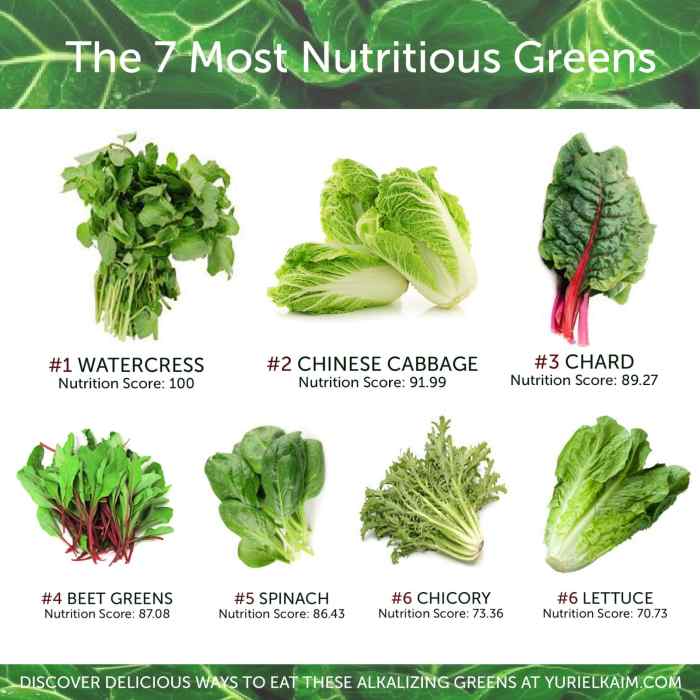
A diet rich in vegetables plays a crucial role in preventing chronic diseases by providing essential nutrients that support overall health and well-being.
Vegetables are packed with vitamins, minerals, antioxidants, and fiber that help reduce inflammation, boost immunity, regulate blood sugar levels, and maintain a healthy weight. Including a variety of nutrient-rich vegetables in your daily meals can significantly lower the risk of developing chronic conditions such as heart disease, diabetes, cancer, and obesity.
Examples of Vegetables Beneficial for Specific Diseases
- Broccoli: Known for its cancer-fighting properties, broccoli contains sulforaphane, a compound that helps reduce the risk of certain types of cancer.
- Spinach: Rich in iron and antioxidants, spinach can help prevent anemia and protect against cardiovascular diseases.
- Sweet Potatoes: Packed with beta-carotene and fiber, sweet potatoes support vision health and aid in blood sugar regulation, lowering the risk of diabetes.
Role of Nutrient-Rich Vegetables in Managing Chronic Conditions
Nutrient-rich vegetables play a vital role in managing chronic conditions by providing essential nutrients that support overall health and reduce inflammation in the body. For example, leafy greens like kale and Swiss chard are rich in vitamins A, C, and K, as well as antioxidants that help protect against heart disease and promote brain health.
By incorporating a wide variety of colorful vegetables into your diet, you can actively contribute to preventing and managing chronic diseases, leading to a healthier and more vibrant life.
Outcome Summary
In conclusion, Top nutrient-rich vegetables for a healthy diet offer a myriad of benefits that can enhance your overall well-being. By making these veggies a staple in your diet, you’re taking a crucial step towards a healthier and happier life.
Answers to Common Questions
Which nutrient-rich vegetables are essential for a healthy diet?
Some of the top veggies include spinach, kale, broccoli, sweet potatoes, and bell peppers due to their high nutrient content.
How can I incorporate nutrient-rich vegetables into my meals?
You can try adding them to salads, smoothies, stir-fries, or even roasting them for a flavorful twist.
What are the key health benefits of consuming these vegetables?
These veggies provide essential vitamins, minerals, antioxidants, and fiber that support immunity, digestion, heart health, and overall well-being.


