
How to read food labels for proper nutrition sets the stage for this enthralling narrative, offering readers a glimpse into a story that is rich in detail with casual formal language style and brimming with originality from the outset.
Understanding the components of food labels and interpreting nutrient information are crucial steps towards making informed choices for a healthier lifestyle. This guide delves into the intricacies of decoding food labels to empower individuals with the knowledge needed to make optimal dietary decisions.
Understanding Food Labels
Reading food labels is crucial for maintaining proper nutrition and making informed food choices. By understanding the information presented on food labels, you can better manage your calorie intake, track essential nutrients, and ensure a balanced diet.
Key Information on Food Labels
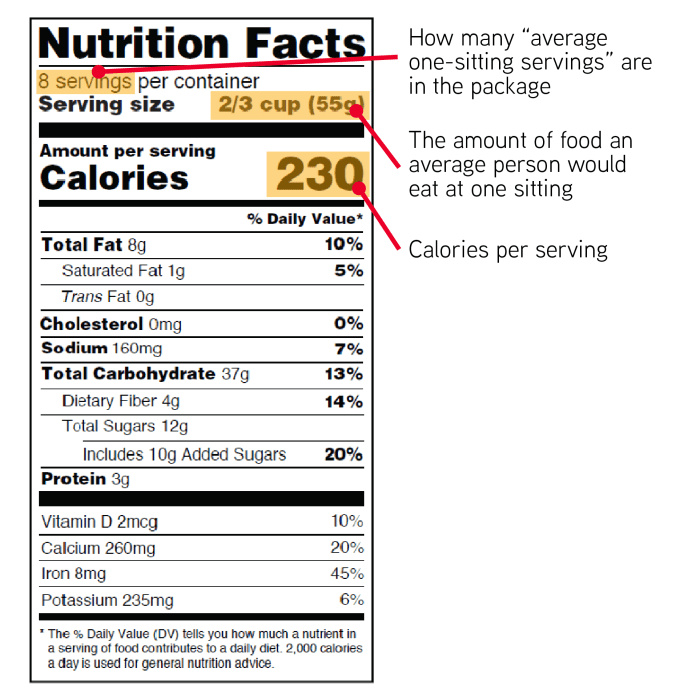
- Serving Size: The serving size indicates the amount of food typically consumed at one time and is important for accurate calorie and nutrient calculations.
- Calories: The total number of calories per serving helps you monitor your energy intake throughout the day.
- Nutrient Content: Food labels provide information on key nutrients like fats, carbohydrates, proteins, vitamins, and minerals present in the product.
Interpreting % Daily Value
The % Daily Value (%DV) on food labels indicates how much a nutrient in a serving of food contributes to a daily diet based on a 2,000-calorie daily intake. Here’s how to interpret %DV:
- Aim for 5% or less of the %DV for nutrients like saturated fats, cholesterol, and sodium to keep intake low.
- Opt for 20% or more of the %DV for nutrients like fiber, vitamins, and minerals to ensure an adequate intake.
Components of Food Labels: How To Read Food Labels For Proper Nutrition
When looking at food labels, there are several key components that provide important information about the product. Understanding these components can help you make informed decisions about your nutrition and health.
Ingredients List
The ingredients list on a food label provides valuable information about what is actually in the product. Ingredients are listed in descending order by weight, with the primary ingredient listed first. It’s essential to scan this list for any allergens or ingredients you may want to avoid, such as added sugars, artificial flavors, or preservatives.
Nutrition Facts
The nutrition facts panel displays the serving size, number of servings per container, and the amount of various nutrients in each serving. This information can help you track your intake of calories, fats, carbohydrates, proteins, vitamins, and minerals. Pay attention to the % Daily Value (%DV) to ensure you are meeting your daily nutrient needs.
Allergen Information
Food labels are required to clearly state if a product contains any common allergens such as nuts, dairy, eggs, soy, or wheat. This information is crucial for individuals with food allergies or intolerances to avoid potential health risks.
Types of Claims on Food Labels
Food labels often feature claims that highlight specific characteristics of the product. Examples include “low-fat,” “organic,” “gluten-free,” “non-GMO,” or “high in fiber.” These claims can help you quickly identify products that align with your dietary preferences or restrictions.
Significance of Key Ingredients
When reading food labels, it’s important to watch out for certain ingredients that can impact your health. Keep an eye out for added sugars, trans fats, and artificial ingredients, as they can contribute to various health issues like obesity, heart disease, and inflammation.
Opt for products with minimal added sugars, no trans fats, and natural ingredients for a healthier choice.
Interpreting Nutrient Information
When reading food labels, it’s crucial to pay attention to the nutrient information provided. Understanding the macronutrients and micronutrients listed can help you make informed decisions about your diet and overall health.
Tracking Macronutrients
Macronutrients are the nutrients that provide energy and are needed in large amounts by the body. It’s essential to track your intake of carbohydrates, proteins, and fats as they play a significant role in your overall health and well-being.
- Carbohydrates: These are the body’s primary source of energy. Look for complex carbohydrates like whole grains and fiber-rich foods to fuel your body efficiently.
- Proteins: Proteins are necessary for building and repairing tissues in the body. Make sure to include lean sources of protein like poultry, fish, legumes, and nuts in your diet.
- Fats: While fats often get a bad reputation, they are essential for various bodily functions. Opt for healthy fats like those found in avocados, nuts, and olive oil for optimal health.
Evaluating Micronutrients, How to read food labels for proper nutrition
Micronutrients, such as vitamins and minerals, are essential for various physiological functions in the body. They are needed in smaller quantities but play a crucial role in overall health and well-being.
- Vitamins: Check the food label for the presence of essential vitamins like Vitamin A, Vitamin C, Vitamin D, and Vitamin E. These vitamins are crucial for supporting the immune system, vision, skin health, and overall well-being.
- Minerals: Look out for minerals like calcium, iron, potassium, and magnesium on the food label. These minerals are essential for bone health, oxygen transport, muscle function, and nerve function.
Balancing Nutrient Intake
It’s essential to balance your nutrient intake based on your individual dietary needs and health goals. Here are some tips to help you achieve a balanced diet:
- Focus on a variety of whole foods to ensure you’re getting a wide range of nutrients.
- Listen to your body’s hunger and fullness cues to prevent overeating or undereating.
- Consult with a healthcare provider or a registered dietitian to create a personalized nutrition plan based on your specific needs.
Making Informed Choices
When comparing similar products using their food labels, it’s essential to focus on key nutrients like fiber, protein, vitamins, and minerals. Check the serving size to ensure accurate comparisons, and look for lower amounts of saturated fats, added sugars, and sodium.
Impact of Portion Sizes
Portion sizes play a significant role in nutritional intake. Be mindful of the recommended serving size on food labels to avoid overeating. Adjust your portions based on your activity level, age, and overall health goals. Remember, consuming larger portions can lead to excess calorie intake and potential weight gain.
Choosing Nutrient-Rich Foods
Opt for whole foods like fruits, vegetables, whole grains, lean proteins, and healthy fats. These nutrient-rich options provide essential vitamins, minerals, and antioxidants that support overall health and well-being. Avoid processed foods high in added sugars, unhealthy fats, and empty calories that offer little nutritional value.
Integrating Proper Nutrition with Lifestyle Factors
Proper nutrition is not just about what we eat; it also involves how we live our lives. Integrating proper nutrition with lifestyle factors is crucial for achieving overall health and well-being. By making conscious choices about our diet and incorporating healthy habits into our daily routine, we can optimize our nutrition and enhance our quality of life.
Balanced Diet, Mental Wellness, and Physical Fitness
Proper nutrition plays a key role in maintaining a balanced diet, which is essential for supporting overall health. A diet rich in fruits, vegetables, whole grains, lean proteins, and healthy fats provides the necessary nutrients for optimal functioning of the body and mind.
Additionally, proper nutrition has a direct impact on mental wellness. Nutrient-dense foods can help regulate mood, reduce stress, and improve cognitive function. By fueling our bodies with the right nutrients, we can enhance our mental clarity and emotional well-being.
Furthermore, integrating proper nutrition with regular exercise is crucial for achieving physical fitness. Exercise not only helps maintain a healthy weight but also improves cardiovascular health, strengthens muscles, and boosts overall energy levels. When combined with a balanced diet, regular physical activity can help us achieve our fitness goals and lead an active lifestyle.
Hydration, Exercise, and Sleep for Optimal Nutrition
Adequate hydration is essential for optimizing nutrition as it helps transport nutrients throughout the body, regulate body temperature, and eliminate waste products. Drinking enough water each day is vital for maintaining proper hydration levels and supporting overall health.
In addition to hydration, regular exercise is another crucial factor in optimizing nutrition. Physical activity not only burns calories but also improves metabolism, enhances nutrient absorption, and reduces the risk of chronic diseases. By incorporating exercise into our daily routine, we can complement our healthy eating habits and promote overall well-being.
Quality sleep is also important for optimal nutrition. During sleep, the body repairs and regenerates tissues, balances hormones, and consolidates memories. Getting enough high-quality sleep is essential for overall health and can have a significant impact on our nutritional status and overall well-being.
Preventive Care, Stress Management, and Self-Care Practices
Incorporating preventive care measures, such as regular health check-ups and screenings, can help identify potential health issues early on and prevent nutritional deficiencies. By staying proactive about our health, we can address any concerns before they escalate and maintain optimal nutrition.
Stress management is another important aspect of integrating proper nutrition with lifestyle factors. Chronic stress can lead to emotional eating, poor food choices, and digestive issues. By practicing stress-reducing techniques such as meditation, yoga, or deep breathing exercises, we can improve our relationship with food and support our nutritional goals.
Self-care practices, such as mindfulness, relaxation, and self-compassion, are essential for overall health and well-being. Taking time to prioritize self-care activities can help reduce stress, improve mental clarity, and enhance our overall quality of life. By caring for ourselves holistically, we can better support our nutritional needs and lead a balanced lifestyle.
Harnessing the Power of Nutrient-Rich Foods
Consuming a variety of nutrient-rich foods is crucial for supporting cardiovascular health, boosting immune function, and maintaining overall well-being. By incorporating these foods into your diet, you can optimize your health and energy levels.
Recipes for a Positive Mindset and Holistic Health
Below are some recipes or meal ideas featuring ingredients that promote a positive mindset, clean eating, and holistic health:
- Quinoa Salad with Avocado, Spinach, and Chickpeas
- Salmon with Roasted Vegetables and Lemon-Dill Sauce
- Greek Yogurt Parfait with Berries and Almonds
Benefits of Consuming Nutrient-Rich Foods
Consuming a variety of nutrient-rich foods offers several benefits for optimal health and energy levels:
- Supports cardiovascular health by providing essential vitamins, minerals, and antioxidants.
- Boosts immune function to help fight off infections and illnesses.
- Promotes overall well-being by nourishing the body and mind.
Last Point
In conclusion, mastering the art of reading food labels is a gateway to unlocking the potential for a healthier, more informed lifestyle. By understanding the nuances of nutrient information and making conscious choices based on this knowledge, individuals can take charge of their well-being and pave the way for a balanced, nutritious diet.
Q&A
How can I identify hidden sugars on food labels?
To identify hidden sugars, look for ingredients like corn syrup, high-fructose corn syrup, dextrose, fructose, and other words ending in “-ose” which indicate added sugars.
What does the % Daily Value on food labels represent?
The % Daily Value indicates how much of a specific nutrient one serving of the food provides compared to the daily recommended amount based on a 2,000-calorie diet.
Are all organic-labeled foods healthier?
While organic-labeled foods meet certain standards, they may still be high in sugar, salt, or unhealthy fats. It’s essential to check the overall nutrient content, not just the organic label.


