
At the forefront lies the importance of vaccinations in preventive care, a crucial aspect of safeguarding public health. Dive into the realm of disease prevention and community well-being with a focus on the power of immunization.
Exploring how vaccinations shield against infectious diseases and foster community immunity, this topic sheds light on successful vaccination campaigns that have curbed outbreaks effectively.
Importance of vaccinations in preventive care
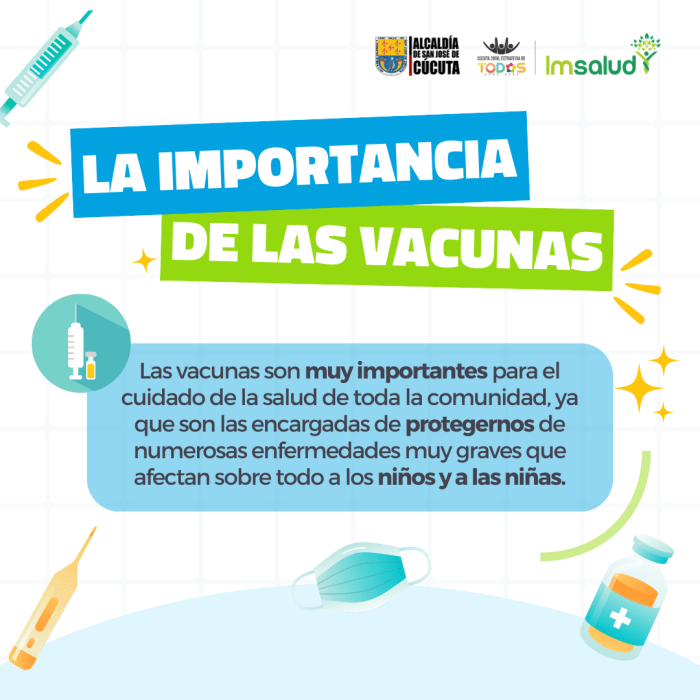
Vaccinations play a crucial role in preventive care by helping to protect individuals from infectious diseases. They not only benefit the person receiving the vaccine but also contribute to the overall health of the community.
Preventing Infectious Diseases
Vaccinations work by stimulating the immune system to produce antibodies to fight specific diseases. By receiving a vaccine, individuals develop immunity without having to experience the full effects of the disease. This helps prevent the spread of illnesses and reduces the risk of outbreaks.
Community Immunity
Vaccinations also contribute to community immunity, also known as herd immunity. When a large percentage of the population is vaccinated against a disease, it creates a protective barrier that makes it difficult for the disease to spread. This helps protect individuals who cannot be vaccinated due to medical reasons or age, such as infants or individuals with compromised immune systems.
Successful Vaccination Campaigns
One notable example of a successful vaccination campaign is the eradication of smallpox through a global vaccination effort led by the World Health Organization. Another example is the control of polio outbreaks in various countries through widespread vaccination programs. These campaigns demonstrate the effectiveness of vaccinations in preventing and controlling infectious diseases on a large scale.
Balanced Diet
A balanced diet plays a crucial role in maintaining overall health and well-being. It involves consuming the right amounts of nutrients from a variety of food sources to support the body’s functions.
Components of a Balanced Diet
A balanced diet typically includes:
- Proteins: Essential for building and repairing tissues in the body. Good sources include lean meats, poultry, fish, beans, and nuts.
- Carbohydrates: Provide energy for daily activities. Whole grains, fruits, and vegetables are excellent sources of healthy carbohydrates.
- Fats: Important for brain function and hormone production. Healthy fats can be found in avocados, olive oil, and nuts.
- Vitamins and Minerals: Essential for various bodily functions, such as immune support, bone health, and energy production. Fruits, vegetables, and dairy products are rich in vitamins and minerals.
- Water: Hydration is key for proper digestion, temperature regulation, and nutrient transport in the body.
Importance of a Balanced Diet for Immune System and Disease Prevention
Eating a balanced diet is crucial for supporting the immune system and preventing chronic diseases. Nutrient-rich foods provide the necessary vitamins, minerals, and antioxidants that help the body fight off infections and maintain optimal health. A diet high in processed foods, sugar, and unhealthy fats can weaken the immune system and increase the risk of developing conditions like obesity, heart disease, and diabetes.
Examples of Nutrient-Rich Foods
Include the following foods in your balanced diet:
- Fruits and Vegetables: Rich in vitamins, minerals, and antioxidants that support overall health.
- Lean Proteins: Essential for muscle growth and repair.
- Whole Grains: Provide fiber and energy for the body.
- Dairy or Dairy Alternatives: Good sources of calcium and vitamin D for bone health.
- Healthy Fats: Found in avocados, nuts, and seeds, these fats are important for heart health.
Mental Wellness
Maintaining good mental wellness is essential for overall health and preventive care. Our mental state can greatly impact our physical well-being and the effectiveness of preventive measures. It is important to address stress and other mental health issues to ensure a holistic approach to healthcare.
Impact of Mental Wellness on Preventive Care
Stress, anxiety, and other mental health issues can weaken the immune system, making individuals more susceptible to illnesses. This can reduce the effectiveness of preventive measures such as vaccinations and balanced diet. Therefore, prioritizing mental wellness is crucial for maintaining good health and preventing diseases.
Stress Management Techniques
Practicing mindfulness, meditation, and deep breathing exercises can help reduce stress levels and improve mental wellness.
Additionally, regular physical exercise, adequate sleep, and seeking support from loved ones or mental health professionals can also contribute to better stress management.
Strategies for Maintaining a Positive Mindset
- Engage in activities that bring joy and relaxation, such as hobbies or spending time in nature.
- Avoid negative influences and toxic environments that can impact mental well-being.
- Cultivate gratitude and positive thinking through practices like journaling or affirmations.
- Seek professional help if needed to address underlying mental health issues and develop coping mechanisms.
Physical Fitness
Regular exercise plays a crucial role in preventive care, offering a myriad of benefits for overall health and well-being. One of the key aspects of physical fitness is its contribution to cardiovascular health, reducing the risk of heart disease and other related conditions.
Benefits of Regular Exercise
- Improves cardiovascular health by strengthening the heart and improving circulation.
- Helps maintain a healthy weight and reduce the risk of obesity-related illnesses.
- Boosts immune system function, making the body more resilient to infections and diseases.
- Enhances mental well-being by reducing stress, anxiety, and symptoms of depression.
Examples of Daily Activities
- Brisk walking or jogging for at least 30 minutes a day.
- Swimming or cycling to improve cardiovascular endurance.
- Strength training exercises using body weight or weights to build muscle and bone strength.
- Yoga or Pilates for flexibility, balance, and relaxation.
Adequate Hydration
Staying properly hydrated is crucial for maintaining overall health and well-being. Our bodies depend on water to function optimally, as it plays a vital role in various bodily functions.
Importance of Hydration for Preventive Care
Proper hydration is essential for preventive care as it helps in flushing out toxins from the body, regulating body temperature, aiding digestion, and supporting the immune system. Dehydration can lead to a range of health issues, including headaches, fatigue, constipation, and even more severe conditions in extreme cases.
Tips for Ensuring Proper Hydration
- Carry a reusable water bottle with you throughout the day to remind yourself to drink water regularly.
- Set alarms or reminders on your phone to prompt you to take water breaks.
- Infuse your water with fruits or herbs to add flavor and make it more appealing.
- Monitor your urine color – pale yellow or clear urine indicates adequate hydration.
- Include hydrating foods in your diet, such as fruits and vegetables with high water content.
- Avoid excessive intake of caffeinated and sugary beverages that can dehydrate the body.
Healthy Lifestyle
A healthy lifestyle encompasses various habits and practices that contribute to overall well-being and disease prevention. It involves making conscious choices that promote physical, mental, and emotional health.
Impact of Healthy Lifestyle on Preventive Care
Adopting a healthy lifestyle plays a crucial role in preventive care by reducing the risk of chronic diseases and promoting longevity. It involves maintaining a balanced diet, engaging in regular physical activity, managing stress effectively, getting enough sleep, and avoiding harmful substances like tobacco and excessive alcohol consumption.
Role of Healthy Habits in Preventing Chronic Diseases
Healthy habits such as regular exercise, proper nutrition, adequate sleep, and stress management can help prevent chronic conditions like heart disease, diabetes, obesity, and certain types of cancer. These habits support the immune system, improve cardiovascular health, regulate blood sugar levels, and enhance overall well-being.
Examples of How a Healthy Lifestyle Improves Overall Well-being
- Maintaining a balanced diet rich in fruits, vegetables, whole grains, and lean proteins can boost energy levels, support weight management, and reduce the risk of nutrient deficiencies.
- Engaging in regular physical activity such as walking, jogging, or yoga can improve cardiovascular health, strengthen muscles, and enhance mood and mental clarity.
- Practicing stress-reducing activities like meditation, deep breathing exercises, or hobbies can lower cortisol levels, improve sleep quality, and reduce the risk of anxiety and depression.
- Getting an adequate amount of sleep each night (7-9 hours for most adults) promotes cognitive function, supports immune health, and aids in tissue repair and muscle growth.
Preventive Care: Importance Of Vaccinations In Preventive Care
Preventive care involves taking steps to prevent illness or detect health issues early on, before they become serious. It plays a crucial role in maintaining overall health and well-being.
Significance of Preventive Care
Regular check-ups and screenings are essential components of preventive care as they help identify any potential health concerns at an early stage. This allows for timely intervention and treatment, leading to better health outcomes.
Examples of Preventive Care Measures
- Annual physical examinations: Regular visits to healthcare providers for comprehensive check-ups can help monitor overall health and detect any underlying issues.
- Vaccinations: Keeping up-to-date with recommended vaccinations can prevent various infectious diseases and protect against serious complications.
- Screenings: Routine screenings for conditions such as cancer, high blood pressure, diabetes, and cholesterol levels can help detect abnormalities early and enable timely management.
- Healthy lifestyle choices: Incorporating a balanced diet, regular exercise, and adequate hydration into daily routines can significantly reduce the risk of developing chronic diseases.
Proper Nutrition
Proper nutrition plays a crucial role in preventive care by providing our bodies with essential nutrients to support overall health and immune function. A well-balanced diet rich in vitamins, minerals, and other key nutrients can help reduce the risk of chronic diseases and infections.
Role of Vitamins and Minerals in Supporting Immune Health
Vitamins and minerals are essential for maintaining a strong immune system. They play various roles in supporting immune function, such as promoting the production of white blood cells, which are crucial for fighting off infections. Some key vitamins and minerals that are particularly important for immune health include:
- Vitamin C: Known for its antioxidant properties and immune-boosting effects, vitamin C helps protect cells from damage and supports the immune system.
- Vitamin D: Plays a key role in modulating immune responses and reducing the risk of respiratory infections.
- Zinc: Supports the function of immune cells and helps in the production of antibodies that fight off pathogens.
- Iron: Essential for the production of hemoglobin, which carries oxygen to cells and supports immune function.
Examples of Nutrient-Dense Foods, Importance of vaccinations in preventive care
Including a variety of nutrient-dense foods in your diet can help promote proper nutrition and support immune health. Some examples of nutrient-dense foods that are rich in vitamins and minerals include:
- Dark leafy greens like spinach and kale, which are high in vitamins A, C, and K.
- Citrus fruits such as oranges and grapefruits, which are rich in vitamin C.
- Almonds, sunflower seeds, and pumpkin seeds, which are good sources of zinc.
- Lean meats, beans, and lentils, which provide iron for optimal immune function.
Quality Sleep
Quality sleep is a crucial aspect of preventive care that often gets overlooked. Getting enough restful sleep can have a significant impact on our overall health and well-being.
Importance of Quality Sleep
Quality sleep plays a vital role in maintaining a strong immune system, improving cognitive function, and regulating mood. Lack of sleep can lead to a variety of health issues, including increased risk of chronic conditions such as heart disease, diabetes, and obesity.
- Ensure a consistent sleep schedule by going to bed and waking up at the same time every day, even on weekends.
- Create a relaxing bedtime routine to signal to your body that it’s time to wind down, such as reading a book or taking a warm bath.
- Avoid caffeine, heavy meals, and electronic devices before bedtime to promote better sleep quality.
- Keep your bedroom dark, quiet, and cool to create an optimal sleep environment.
- Incorporate regular exercise into your daily routine, but avoid vigorous activity close to bedtime.
Cardio Health
Cardiovascular health plays a crucial role in preventive care as it directly impacts the overall well-being of an individual. Taking care of your heart through regular exercise and a healthy diet can significantly reduce the risk of heart diseases and other related health issues.
Benefits of Regular Exercise and Healthy Diet for Heart Health
Engaging in regular physical activity and consuming a balanced diet can greatly support heart health by strengthening the heart muscle, improving blood circulation, and lowering cholesterol levels. These lifestyle choices also help in maintaining a healthy weight and reducing the risk of obesity, a major factor in heart diseases.
- Running or jogging: These high-intensity cardiovascular exercises help in improving heart function and increasing endurance.
- Swimming: A full-body workout that is gentle on the joints, swimming is excellent for cardiovascular health.
- Cycling: Whether outdoor or stationary, cycling is a great way to boost heart health and improve overall fitness.
- Aerobics: Dance-based aerobics classes or routines help in enhancing cardiovascular endurance and promoting heart health.
Immune Boost
Having a strong immune system is essential for overall health and plays a key role in preventive care. There are various strategies to boost the immune system, including a balanced diet, regular exercise, and adequate rest.
Role of Vitamins, Minerals, and Antioxidants
Vitamins, minerals, and antioxidants are crucial for maintaining a healthy immune system. Vitamin C, for example, is known for its immune-boosting properties and can be found in citrus fruits, strawberries, and bell peppers. Zinc is another important mineral that supports immune function and can be found in foods like red meat, poultry, and beans.
Antioxidants, such as beta-carotene and vitamin E, help protect the immune system from damage caused by free radicals.
Immune-Boosting Foods and Supplements
- Eat a variety of colorful fruits and vegetables rich in vitamins and antioxidants.
- Incorporate probiotic-rich foods like yogurt and kefir to support gut health, which is closely linked to immune function.
- Consider taking supplements like vitamin D, especially during the winter months when sunlight exposure is limited.
- Garlic, turmeric, and ginger are known for their immune-boosting properties and can be easily added to meals for an extra health kick.
Clean Eating
Clean eating is a dietary approach that focuses on consuming whole, unprocessed foods in their natural state. This means avoiding processed foods, added sugars, artificial ingredients, and unhealthy fats.
Benefits of Clean Eating
Clean eating offers numerous benefits for preventive care, including:
- Increased intake of vitamins, minerals, and antioxidants for overall health and immune function.
- Improved digestion and nutrient absorption due to higher fiber content in whole foods.
- Reduced risk of chronic diseases such as heart disease, diabetes, and obesity.
- Enhanced energy levels and mental clarity from nourishing your body with wholesome foods.
Avoiding Processed Foods
Avoiding processed foods can have a significant impact on overall health by:
- Lowering intake of added sugars, unhealthy fats, and artificial additives that can contribute to inflammation and chronic diseases.
- Reducing consumption of empty calories that offer little to no nutritional value.
- Supporting weight management efforts by choosing nutrient-dense foods that keep you full and satisfied.
Clean Eating Recipes
Here are some examples of clean eating recipes or meal plans:
| Breakfast | Lunch | Dinner |
|---|---|---|
| Quinoa breakfast bowl with fresh fruits and nuts | Grilled chicken salad with mixed greens and avocado | Baked salmon with roasted vegetables |
| Chia seed pudding with almond milk and berries | Vegetable stir-fry with tofu and brown rice | Vegetarian chili with beans and quinoa |
Daily Activity
Regular physical activity plays a crucial role in preventive care, contributing to overall health and well-being. By incorporating daily activity into your routine, you can experience a wide range of benefits that support a healthy lifestyle.
Benefits of Daily Activity
- Improves cardiovascular health and reduces the risk of heart disease.
- Helps maintain a healthy weight and promotes weight loss.
- Boosts mood and reduces feelings of anxiety and depression.
- Increases energy levels and improves overall stamina.
Simple Ways to Increase Daily Activity Levels
- Take short walks during breaks at work or school.
- Incorporate stretching exercises into your morning routine.
- Use stairs instead of elevators whenever possible.
- Engage in recreational activities like swimming, biking, or dancing.
Holistic Health
Holistic health is a comprehensive approach to healthcare that considers the entire personbody, mind, spirit, and emotions. It emphasizes the connection between all these aspects and how they interact to influence overall well-being. When it comes to preventive care, holistic health focuses on addressing not just the physical symptoms of illness, but also the root causes and contributing factors.
By taking a holistic approach, individuals can achieve a balance that promotes health and prevents disease.
Relevance of Holistic Health in Preventive Care
Holistic health plays a crucial role in preventive care by looking at the bigger picture of an individual’s health. It recognizes that factors such as stress, nutrition, exercise, and emotional well-being are all interconnected and impact one’s overall health. By addressing these areas through holistic practices, individuals can proactively maintain their health and reduce the risk of developing chronic conditions.
- Practicing mindfulness and stress-reduction techniques, such as meditation or yoga, can help lower cortisol levels and reduce the negative effects of chronic stress on the body.
- Embracing a whole foods diet rich in fruits, vegetables, and lean proteins can provide essential nutrients that support immune function and overall health.
- Engaging in regular physical activity, such as walking, swimming, or strength training, can improve cardiovascular health, boost mood, and enhance overall well-being.
- Seeking out alternative therapies like acupuncture, chiropractic care, or massage therapy can help address imbalances in the body and promote healing.
Mindful Living
Mindful living is a practice that involves being fully present and aware of our thoughts, feelings, sensations, and surroundings. It can have a profound impact on preventive care by reducing stress and improving overall health outcomes.Practicing mindfulness has been shown to lower cortisol levels, reduce inflammation, boost immune function, and improve mental well-being.
By incorporating mindfulness into daily life, individuals can better manage stress, anxiety, and other negative emotions that can impact their health.
Benefits of Mindfulness in Preventive Care
- Reduces stress and anxiety levels
- Improves mental clarity and focus
- Enhances emotional regulation
- Promotes better sleep quality
- Strengthens immune system function
Techniques for Incorporating Mindfulness into Daily Life
- Start with simple breathing exercises
- Practice mindful eating by savoring each bite and being aware of sensations
- Engage in daily meditation or yoga routines
- Take short mindfulness breaks throughout the day to check in with your thoughts and feelings
- Use mindfulness apps or guided exercises to help cultivate the practice
Emotional Balance
Emotional balance is a crucial aspect of preventive care that often gets overlooked. Our emotional health plays a significant role in our overall well-being, impacting both our physical and mental health. When we neglect our emotional needs, it can lead to stress, anxiety, depression, and other health issues.
Therefore, it is essential to prioritize emotional balance for better health outcomes.
Importance of Emotional Balance
Emotional balance is not just about feeling happy all the time, but rather about managing our emotions in a healthy way. It involves being aware of our feelings, expressing them appropriately, and coping with stress effectively. Here are some strategies to help achieve emotional balance:
- Acknowledge your emotions: It’s important to recognize and accept your feelings, whether they are positive or negative. Ignoring or suppressing emotions can lead to emotional imbalance.
- Practice mindfulness: Engaging in mindfulness activities such as meditation, deep breathing, or yoga can help you stay present and manage your emotions more effectively.
- Seek support: Talking to a trusted friend, family member, or therapist can provide emotional support and help you process your feelings in a healthy way.
- Engage in self-care: Taking care of yourself physically, mentally, and emotionally is essential for maintaining emotional balance. Make time for activities that bring you joy and relaxation.
- Set boundaries: Learning to say no and establish healthy boundaries in your relationships can prevent emotional burnout and promote emotional well-being.
Health Education
Health education plays a crucial role in preventive care by providing individuals with the knowledge and skills needed to make informed decisions about their health. By educating people about the importance of preventive measures, such as vaccinations, balanced diet, physical fitness, and mental wellness, health education empowers them to take control of their well-being and adopt healthier lifestyles.
Role of Health Education in Preventive Care
- Health education helps individuals understand the risk factors associated with certain health conditions and the importance of early detection through screenings and regular check-ups.
- It promotes healthy behaviors and encourages individuals to adopt preventive measures, such as vaccination, to protect themselves and others from infectious diseases.
- Health education also raises awareness about the benefits of a balanced diet, regular exercise, and stress management in maintaining overall health and well-being.
Examples of Effective Health Education Programs
- The Centers for Disease Control and Prevention (CDC) provides educational resources on vaccination schedules, vaccine safety, and the importance of immunization in preventing diseases.
- School-based health education programs teach students about the benefits of healthy eating, physical activity, and mental wellness to promote lifelong wellness habits.
- Community health initiatives offer workshops, seminars, and online resources to educate individuals about preventive care strategies and empower them to make healthier choices for themselves and their families.
Self-Care
Self-care practices play a crucial role in preventive care by promoting overall health and well-being. Taking care of oneself not only helps prevent illnesses but also enhances one’s quality of life.
Significance of Self-Care for Preventive Care
Self-care routines are essential for maintaining good health and preventing diseases. By incorporating self-care practices into daily life, individuals can effectively manage stress, boost their immune system, and improve their mental and emotional well-being. Prioritizing self-care also allows individuals to identify and address any health concerns early on, leading to better health outcomes in the long run.
Examples of Self-Care Activities for Preventive Care
- Regular exercise: Engaging in physical activities such as walking, jogging, or yoga helps maintain fitness levels and overall health.
- Meditation and mindfulness: Practicing mindfulness techniques can reduce stress and improve mental clarity.
- Healthy eating habits: Consuming a balanced diet rich in fruits, vegetables, and whole grains provides essential nutrients for the body.
- Adequate sleep: Getting enough restorative sleep each night is crucial for overall health and well-being.
- Stress management: Finding healthy ways to cope with stress, such as deep breathing exercises or hobbies, can prevent the negative effects of chronic stress on the body.
Chronic Disease
Preventive care plays a crucial role in reducing the risk of chronic diseases by focusing on early detection, lifestyle modifications, and disease management. By addressing risk factors and adopting healthy habits, individuals can significantly lower their chances of developing chronic conditions.
Impact of Preventive Care
- Regular health screenings can help in early detection of chronic diseases such as diabetes, hypertension, and cardiovascular conditions.
- Vaccinations against infectious diseases like Hepatitis B and HPV can prevent complications that may lead to chronic conditions.
- Healthy lifestyle choices such as maintaining a balanced diet, regular exercise, and avoiding tobacco and excessive alcohol consumption can reduce the risk of chronic diseases.
Lifestyle Factors in Preventing Chronic Diseases
- Obesity is a significant risk factor for chronic diseases like diabetes and heart disease. Maintaining a healthy weight through proper nutrition and exercise is essential for prevention.
- Stress management and mental wellness techniques can reduce the impact of psychological factors on chronic conditions like depression and anxiety disorders.
- Adequate sleep and rest play a crucial role in preventing chronic conditions such as insomnia and sleep apnea.
Preventive Measures for Chronic Conditions
- Regular physical activity can help manage chronic conditions like arthritis and osteoporosis by improving mobility and joint health.
- Monitoring blood pressure and cholesterol levels can aid in the prevention and management of cardiovascular diseases.
- Eating a diet rich in fruits, vegetables, whole grains, and lean proteins can support overall health and reduce the risk of chronic diseases.
Summary
In conclusion, the significance of vaccinations in preventive care cannot be overstated. By understanding the role of immunization in disease prevention, individuals and communities can pave the way for a healthier future.
Answers to Common Questions
How do vaccinations contribute to community immunity?
Vaccinations create a shield of protection by ensuring a significant portion of the population is immune to a disease, reducing its spread.
What are some examples of successful vaccination campaigns?
The eradication of smallpox and the control of polio through vaccination campaigns are notable success stories.
Why is it important to stay hydrated for preventive care?
Adequate hydration supports various bodily functions, enhances immune response, and helps in flushing out toxins, crucial for preventive care.


