
Best stress management apps for daily use sets the stage for this enthralling narrative, offering readers a glimpse into a story that is rich in detail with casual formal language style and brimming with originality from the outset.
In today’s fast-paced world, stress has become a common companion for many. Finding effective ways to manage stress is crucial for maintaining overall well-being. In this digital age, leveraging the power of technology through stress management apps can provide a convenient and accessible solution.
Let’s explore some of the best stress management apps that you can integrate into your daily routine for a healthier and happier lifestyle.
Balanced Diet
Maintaining a balanced diet is crucial for effective stress management as it provides the necessary nutrients to support overall well-being and resilience. A diet rich in essential vitamins, minerals, and antioxidants can help reduce stress levels, improve mood, and enhance cognitive function.
Nutrient-Rich Foods for Stress Reduction
- Dark leafy greens like spinach and kale are high in magnesium, which can help regulate cortisol levels and promote relaxation.
- Fatty fish such as salmon and mackerel are rich in omega-3 fatty acids, which have been linked to reduced anxiety and improved mood.
- Blueberries are packed with antioxidants that can combat oxidative stress and protect the brain from damage caused by chronic stress.
- Almonds and walnuts are excellent sources of vitamin E and healthy fats, which support brain health and may help alleviate stress.
Impact of Diet on Mental Wellness
Eating a balanced diet not only fuels the body but also nourishes the mind. Nutrient-dense foods can influence neurotransmitter production, regulate hormone levels, and support overall brain function. By consuming a variety of fruits, vegetables, whole grains, lean proteins, and healthy fats, individuals can optimize their mental health and emotional balance, making it easier to cope with daily stressors.
Mental Wellness
Maintaining good mental wellness is crucial for effective stress management. Our mental state greatly influences how we perceive and handle stressors in our daily lives. When we prioritize our mental wellness, we equip ourselves with the tools to better cope with stress and prevent it from overwhelming us.
Relationship between Mental Wellness and Stress Management
Good mental wellness plays a key role in managing stress effectively. When we are mentally healthy, we are better equipped to handle challenges, setbacks, and stressful situations. Practices that promote mental wellness, such as mindfulness and self-care, can help us build resilience and cope with stress in a healthier way.
Tips for Promoting Mental Wellness to Reduce Stress Levels
- Practice mindfulness meditation to ground yourself in the present moment and reduce anxiety.
- Engage in regular physical activity to boost your mood and reduce stress levels.
- Connect with loved ones for social support and a sense of belonging.
- Set boundaries to protect your mental and emotional well-being.
- Prioritize self-care activities that bring you joy and relaxation.
Role of Mindfulness in Promoting Mental Wellness for Stress Relief
Mindfulness involves being fully present and aware of your thoughts, feelings, and sensations without judgment. This practice can help reduce stress by allowing you to observe your thoughts and emotions without becoming overwhelmed by them. By cultivating mindfulness, you can develop a greater sense of calm and clarity, which can be beneficial in managing stress and promoting overall mental wellness.
Physical Fitness
Regular exercise plays a crucial role in stress management by helping to reduce levels of cortisol, the stress hormone, and releasing endorphins, the body’s natural mood lifters. Physical activity also improves sleep quality, boosts self-confidence, and provides a healthy distraction from daily worries.
Examples of Physical Activities
- Walking or jogging
- Yoga or Pilates
- Dancing
- Swimming
- Cycling
- Strength training
- Playing sports
Benefits of Physical Fitness
Regular physical fitness not only helps in stress reduction but also improves overall well-being. It enhances cardiovascular health, strengthens muscles and bones, increases energy levels, and promotes better mental clarity and focus. Additionally, engaging in physical activities can lead to a sense of accomplishment and satisfaction, further boosting mood and reducing stress levels.
Adequate Hydration
Staying adequately hydrated is crucial for effective stress management as it plays a significant role in maintaining overall well-being.
Hydration is essential for various bodily functions, including cognitive function. Dehydration can lead to cognitive impairment, affecting focus, memory, and decision-making abilities. By staying hydrated, you can improve cognitive function, enhance mental clarity, and reduce stress levels.
Benefits of Adequate Hydration for Stress Management
- Improved Cognitive Function: Adequate hydration allows the brain to function optimally, enhancing focus, concentration, and overall mental performance.
- Reduced Stress Levels: Proper hydration helps in regulating stress hormones and promoting relaxation, leading to a calmer state of mind.
- Enhanced Energy Levels: Dehydration can cause fatigue and low energy levels, impacting your ability to cope with stress. By staying hydrated, you can boost your energy and resilience to stressors.
- Optimal Physical Health: Hydration is essential for maintaining proper bodily functions, promoting overall health and well-being, which in turn can help in managing stress more effectively.
Healthy Lifestyle
Living a healthy lifestyle plays a crucial role in managing stress effectively. By incorporating certain habits and practices into our daily routine, we can create a foundation for overall well-being and lower stress levels.
Components of a Healthy Lifestyle
- Eating a Balanced Diet: Consuming nutrient-dense foods like fruits, vegetables, whole grains, and lean proteins can provide the necessary energy and nutrients to support our physical and mental health.
- Regular Exercise: Engaging in physical activity releases endorphins, which are known as “feel-good” hormones that can reduce stress and improve mood.
- Adequate Sleep: Getting enough quality sleep is essential for our body to recover and recharge, helping to lower stress levels and improve cognitive function.
- Practicing Mindfulness: Mindfulness techniques such as meditation and deep breathing exercises can help calm the mind, reduce anxiety, and promote relaxation.
- Maintaining Social Connections: Building and nurturing relationships with friends, family, and community members can provide emotional support and reduce feelings of isolation and stress.
Habits for a Healthy Lifestyle
- Staying Hydrated: Drinking plenty of water throughout the day helps maintain proper bodily functions and can improve focus and concentration.
- Avoiding Excessive Alcohol and Caffeine: Limiting the intake of alcohol and caffeine can prevent disruptions in sleep patterns and reduce feelings of restlessness and anxiety.
- Setting Boundaries: Learning to say no and prioritize self-care can prevent burnout and overwhelm, leading to a healthier work-life balance.
- Engaging in Hobbies: Participating in activities that bring joy and relaxation can help reduce stress and boost overall well-being.
Impact of a Healthy Lifestyle on Stress Levels
A healthy lifestyle not only helps manage stress effectively but also improves overall well-being. By adopting habits that support physical, mental, and emotional health, individuals can experience increased resilience, improved mood, and a greater sense of control over their lives.
This holistic approach to wellness can lead to long-term stress reduction and a higher quality of life.
Nutrient-Rich
Incorporating a diet rich in essential nutrients is crucial for managing stress effectively. Nutrient-rich foods can help regulate mood, reduce anxiety, and boost overall well-being, contributing to stress reduction.
Examples of Nutrient-Rich Foods
- Fatty fish like salmon, rich in omega-3 fatty acids that can help reduce stress hormones.
- Leafy greens such as spinach and kale, high in magnesium which can help relax muscles and reduce anxiety.
- Nuts and seeds like almonds and pumpkin seeds, packed with healthy fats and antioxidants that support brain function and reduce stress.
- Whole grains like quinoa and oats, rich in complex carbohydrates that can boost serotonin levels and improve mood.
Role of Vitamins, Minerals, and Antioxidants
Essential vitamins, minerals, and antioxidants play a vital role in promoting stress resilience by supporting various bodily functions and combating oxidative stress.
Vitamin C, found in citrus fruits and bell peppers, can help reduce cortisol levels and improve immunity.
Magnesium, found in nuts, seeds, and leafy greens, can help relax the nervous system and alleviate stress.
Antioxidants like vitamin E, present in almonds and sunflower seeds, can protect cells from damage caused by stress.
Stress Management
Stress management is the practice of managing and reducing stress in order to maintain overall well-being. It involves a range of techniques and strategies aimed at coping with the pressures of daily life and minimizing the negative effects of stress on mental, emotional, and physical health.
Effective Strategies for Daily Stress Management
- Practice mindfulness and meditation to promote relaxation and reduce anxiety.
- Engage in regular physical exercise to release endorphins and improve mood.
- Establish a healthy work-life balance to prevent burnout and exhaustion.
- Connect with friends and family for social support and emotional well-being.
- Utilize deep breathing techniques to calm the mind and reduce stress levels.
Impact of Stress Management on Health
Effective stress management can have a profound impact on mental, emotional, and physical health. By implementing stress-reducing techniques into daily routines, individuals can experience:
- Improved mental clarity and focus
- Enhanced emotional resilience and coping skills
- Reduced risk of chronic health conditions such as heart disease and hypertension
- Better quality of sleep and overall well-being
Preventive Care
Preventive care plays a crucial role in stress management by focusing on proactive measures to prevent stress-related health issues before they arise. By implementing preventive strategies, individuals can take control of their well-being and reduce the negative impact of stress on their overall health.
Examples of Preventive Measures
- Regular exercise: Engaging in physical activity helps reduce stress levels and promotes overall well-being.
- Mindfulness practices: Techniques such as meditation and deep breathing can help calm the mind and reduce stress.
- Healthy eating habits: Consuming a balanced diet rich in nutrients can support the body in coping with stress.
- Adequate sleep: Getting enough rest is essential for proper stress management and overall health.
- Setting boundaries: Establishing clear boundaries in personal and professional life can help prevent overwhelming stress.
Benefits of Proactive Health Practices
- Improved resilience: By practicing preventive care, individuals can build resilience against stressors and better cope with challenges.
- Enhanced overall health: Preventive measures not only reduce stress but also contribute to better physical and mental health outcomes.
- Long-term stress prevention: Consistent implementation of preventive strategies can help prevent chronic stress and its associated health risks.
- Empowerment: Taking proactive steps towards health and wellness empowers individuals to actively manage their stress and well-being.
Proper Nutrition
Proper nutrition plays a crucial role in stress management as it affects various aspects of our physical and mental health. A balanced diet rich in essential nutrients can help regulate hormones, boost energy levels, and improve overall well-being, making it easier to cope with stress.
Maintaining a Balanced Diet for Optimal Stress Relief
Maintaining a balanced diet is essential for optimal stress relief. Here are some tips to help you achieve this:
- Include a variety of fruits, vegetables, whole grains, and lean proteins in your meals.
- Avoid excessive consumption of processed foods, sugary snacks, and caffeinated beverages.
- Stay hydrated by drinking plenty of water throughout the day.
- Limit intake of alcohol and caffeine, as they can increase stress and anxiety levels.
- Plan your meals ahead of time to ensure you are getting the necessary nutrients for your body.
Connection Between Nutrition, Hormone Regulation, and Stress Levels
Proper nutrition is closely linked to hormone regulation, which in turn impacts stress levels. Nutrient-rich foods can help stabilize blood sugar levels, reduce cortisol (the stress hormone) production, and support the production of neurotransmitters that regulate mood. By maintaining a balanced diet, you can ensure that your body is equipped to handle stress more effectively.
Quality Sleep
Quality sleep plays a crucial role in managing stress effectively. It allows the body and mind to rest, rejuvenate, and recover from the day’s challenges, helping to reduce stress and anxiety levels.
Tips for Improving Sleep Quality
- Avoid caffeine and heavy meals close to bedtime to promote better sleep.
- Create a relaxing bedtime routine to signal to your body that it’s time to wind down.
- Ensure your sleep environment is dark, quiet, and at a comfortable temperature for quality rest.
- Limit screen time before bed, as the blue light emitted by devices can disrupt sleep patterns.
- Practice mindfulness or meditation to calm the mind and prepare for restful sleep.
Relationship Between Sleep Patterns, Stress Levels, and Overall Health
Healthy sleep patterns are closely linked to stress levels and overall health. When sleep is compromised, stress hormones can increase, leading to heightened anxiety and reduced immune function. Consistent quality sleep is essential for maintaining optimal physical, mental, and emotional well-being.
Cardio Health
Cardiovascular health plays a crucial role in stress management as it helps improve blood circulation, reduce inflammation, and release endorphins that elevate mood and reduce stress levels.
Examples of Cardio Exercises
- Running or jogging
- Cycling
- Swimming
- Aerobics
- Dancing
Benefits of Maintaining a Healthy Heart
Maintaining a healthy heart not only reduces the risk of cardiovascular diseases but also enhances stress resilience by improving overall physical fitness and endurance. Regular cardio exercises help in regulating blood pressure, reducing anxiety, and promoting a sense of well-being.
Immune Boost
Boosting the immune system is crucial for effective stress management as a strong immune system can help the body better cope with stress and prevent stress-related illnesses. When the immune system is compromised, the body becomes more susceptible to infections and illnesses, which can further exacerbate stress levels.
Immune-Boosting Practices
- Consuming a nutrient-rich diet high in fruits, vegetables, lean proteins, and whole grains can provide the body with essential vitamins and minerals to support immune function.
- Regular exercise can help boost the immune system by promoting circulation and reducing inflammation, which can improve the body’s ability to fight off infections.
- Getting an adequate amount of quality sleep is crucial for immune health, as sleep allows the body to repair and regenerate cells important for immune function.
- Practicing stress management techniques such as mindfulness, meditation, and deep breathing can help reduce stress levels and support immune function.
Link Between Immune Health, Stress Levels, and Overall Wellness
Maintaining a strong immune system is essential for overall wellness as it helps protect the body from harmful pathogens and reduces the risk of developing chronic diseases. High stress levels can weaken the immune system, making the body more vulnerable to illnesses.
By incorporating immune-boosting practices into daily routines, individuals can support their immune health, manage stress effectively, and improve their overall well-being.
Positive Mindset: Best Stress Management Apps For Daily Use
Having a positive mindset plays a crucial role in managing stress effectively. It involves focusing on the good, maintaining an optimistic attitude, and approaching challenges with a constructive outlook. A positive mindset can help reduce anxiety, increase resilience, and improve overall mental well-being.
Techniques for Cultivating a Positive Outlook, Best stress management apps for daily use
- Acknowledge your thoughts and emotions without judgment.
- Practice gratitude by keeping a daily journal of things you are thankful for.
- Avoid negative self-talk and replace it with positive affirmations.
- Surround yourself with supportive and positive people.
- Engage in activities that bring you joy and relaxation.
Benefits of Adopting a Positive Mindset
- Enhanced resilience to cope with stress and setbacks.
- Improved mental health and emotional well-being.
- Better relationships with others due to a positive attitude.
- Increased motivation and productivity in daily tasks.
- Overall improved quality of life and satisfaction.
- Include a variety of colorful fruits and vegetables in your meals to ensure a rich intake of vitamins, minerals, and antioxidants.
- Opt for lean proteins such as poultry, fish, tofu, or legumes to support muscle function and repair.
- Choose whole grains like quinoa, brown rice, and oats for sustained energy levels and fiber content.
- Incorporate healthy fats from sources like avocados, nuts, seeds, and olive oil to support brain health and reduce inflammation.
- Avoid sugary beverages, processed snacks, and high-fat fast foods that can lead to energy crashes and mood swings.
- Improved digestion and nutrient absorption due to higher fiber content in whole foods.
- Stabilized blood sugar levels, reducing the risk of mood swings and irritability.
- Enhanced immune function and reduced inflammation, supporting overall well-being.
- Increased energy levels and mental clarity, promoting a positive mindset and stress management.
- Take a walk in nature: Spending time outdoors and connecting with nature can help calm the mind and reduce stress.
- Practice yoga or meditation: Mindful activities like yoga and meditation can promote relaxation and reduce anxiety.
- Engage in deep breathing exercises: Deep breathing can help lower stress levels and increase feelings of calmness.
- Listent to music: Listening to soothing music can have a calming effect on the mind and body.
- Yoga and meditation: These practices help calm the mind, reduce stress, and improve emotional well-being.
- Acupuncture and acupressure: Traditional Chinese medicine techniques that can help balance the body’s energy flow and reduce stress.
- Aromatherapy: The use of essential oils to promote relaxation, reduce anxiety, and improve mood.
- Massage therapy: Helps relax the body, release tension, and promote overall well-being.
- Acknowledge your thoughts and emotions without trying to suppress or ignore them.
- Practice deep breathing exercises to help calm the mind and body.
- Engage in activities that promote mindfulness, such as yoga or meditation.
- Set aside dedicated time each day for mindfulness practices.
- Stay present in everyday activities, like eating or walking, by focusing on the sensations and experiences.
- Enhanced emotional balance and resilience to stress.
- Improved focus and concentration in daily tasks.
- Better self-awareness and understanding of personal triggers for stress.
- Increased overall sense of well-being and satisfaction with life.
- Greater ability to cope with challenging situations and setbacks.
- Practice mindfulness techniques such as meditation, deep breathing, and yoga to cultivate self-awareness and emotional regulation.
- Engage in activities that bring joy and relaxation, such as hobbies, spending time with loved ones, or enjoying nature.
- Seek support from friends, family, or a therapist to express and process emotions in a healthy way.
- Develop healthy coping mechanisms like journaling, exercise, or listening to music to manage stress and promote emotional well-being.
- Online articles and blogs offering information on stress management techniques.
- Books and publications focusing on the psychology of stress and anxiety.
- Apps and digital platforms providing guided meditation and mindfulness exercises.
- Workshops and seminars led by experts in mental health and wellness.
- Practicing mindfulness and meditation to calm the mind and reduce anxiety.
- Engaging in regular physical exercise to boost mood and reduce stress hormones.
- Setting boundaries and saying no to excessive commitments to prevent burnout.
- Establishing a consistent sleep routine to ensure adequate rest and rejuvenation.
- Engaging in hobbies and activities that bring joy and relaxation.
-
Improved mental health
: By prioritizing self-care, individuals can reduce symptoms of anxiety and depression, leading to better overall mental well-being.
-
Enhanced resilience
: Self-care practices can help individuals cope better with stressors and challenges, leading to increased resilience in facing life’s difficulties.
-
Increased self-awareness
: Engaging in self-care activities can help individuals become more attuned to their own needs and emotions, leading to better self-understanding and self-compassion.
-
Boosted energy levels
: Taking time for self-care can improve energy levels and combat feelings of fatigue and burnout, promoting overall vitality and well-being.
-
Improved relationships
: When individuals prioritize self-care, they are better able to show up fully in their relationships and connect more authentically with others.
- Engaging in regular exercise: Physical activity is a powerful stress reliever that can help lower cortisol levels, reduce inflammation, and improve cardiovascular health, all of which contribute to chronic disease prevention.
- Practicing mindfulness and meditation: Mindfulness techniques can help individuals cope with stress more effectively, lower blood pressure, and promote emotional well-being, reducing the risk of developing stress-related chronic diseases.
- Getting an adequate amount of sleep: Quality sleep is essential for overall health and plays a key role in stress management. Poor sleep patterns can lead to increased stress levels, inflammation, and a higher risk of chronic diseases.
Clean Eating
Clean eating refers to consuming whole, unprocessed foods in their most natural state to promote overall health and well-being. In the context of stress reduction, clean eating plays a crucial role in providing the body with essential nutrients and supporting mental clarity.
Examples of Clean Eating Habits for Stress Management
Benefits of Avoiding Processed Foods
Daily Activity
Incorporating daily activities is crucial for stress relief as it helps release endorphins, the body’s natural mood elevators, and reduces cortisol levels, the stress hormone. Engaging in physical movement can also distract the mind from worries and promote a sense of well-being.
Simple Activities for Stress Relief
Impact of Daily Movement on Well-being
Regular physical activity not only benefits physical health but also plays a significant role in mental well-being. Daily movement can improve mood, boost self-esteem, and reduce symptoms of anxiety and depression. Additionally, staying active can enhance cognitive function and improve overall quality of life.
Holistic Health
Holistic health is a comprehensive approach to well-being that considers the interconnectedness of the mind, body, and spirit. This approach focuses on treating the whole person rather than just addressing individual symptoms or issues. When it comes to stress management, holistic health plays a crucial role in promoting overall wellness and reducing stress levels.
Examples of Holistic Practices
Supporting Stress Reduction
Holistic health principles emphasize the importance of maintaining a healthy lifestyle, including proper nutrition, regular exercise, adequate sleep, and stress management techniques. By addressing mental, emotional, and physical aspects of well-being, holistic practices can help individuals better cope with stress and improve their overall quality of life.
Mindful Living
Mindful living involves being fully present in the moment, focusing on your thoughts, feelings, and surroundings without judgment. It plays a crucial role in stress management by helping individuals stay grounded, reduce anxiety, and enhance self-awareness.
Tips for Practicing Mindfulness
Benefits of Mindful Living
Emotional Balance
Emotional balance plays a crucial role in stress management as it helps individuals navigate challenging situations with resilience and composure. When emotions are in equilibrium, it becomes easier to handle stressors effectively and maintain overall well-being.
Importance of Emotional Balance
Achieving emotional equilibrium is essential for coping with stress as it allows individuals to regulate their emotions, make rational decisions, and respond constructively to difficult circumstances. Emotional balance helps prevent excessive stress from overwhelming the mind and body, leading to better mental health and overall quality of life.
Emotional Intelligence, Resilience, and Stress Management
Emotional intelligence, resilience, and stress management are interconnected concepts that influence one another. Individuals with high emotional intelligence are better equipped to understand and manage their emotions, leading to improved resilience in the face of stress. By developing emotional intelligence skills, such as self-awareness, empathy, and social skills, individuals can enhance their ability to cope with stress effectively and maintain emotional balance in challenging situations.
Emotional balance is the key to navigating life’s ups and downs with grace and resilience.
Health Education
Health education plays a crucial role in promoting stress awareness and management. By providing individuals with the necessary knowledge and tools, health education empowers them to understand the causes and effects of stress on their overall well-being. It also equips them with strategies and resources to effectively cope with and reduce stress in their daily lives.
Resources for Stress Education
Impact of Health Literacy on Stress Relief
Health literacy plays a significant role in the adoption of healthy behaviors for stress relief. Individuals with higher health literacy are more likely to recognize the signs of stress, seek appropriate help, and implement effective coping mechanisms. By enhancing health literacy through education, individuals can make informed decisions about their well-being and take proactive steps to manage stress more effectively.
Self-Care
Self-care is the practice of taking deliberate actions to prioritize and maintain one’s mental, emotional, and physical well-being. It involves activities and routines that help individuals relax, rejuvenate, and reduce stress levels.
Examples of Self-Care Practices
Engaging in self-care practices can significantly contribute to stress reduction and overall well-being. Here are some examples of self-care activities:
Benefits of Self-Care for Stress Management
Incorporating self-care routines into daily life can have numerous benefits for stress management:
Chronic Disease
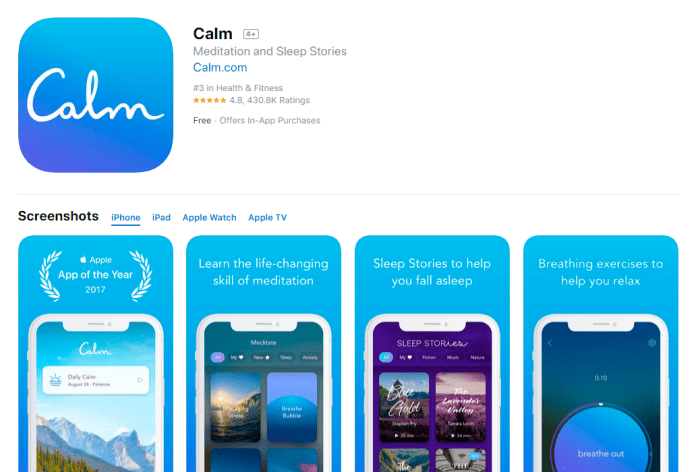
Stress management plays a crucial role in preventing chronic diseases by reducing the harmful effects of chronic stress on the body. Chronic stress can weaken the immune system, increase inflammation, and elevate blood pressure, all of which are risk factors for developing chronic conditions like heart disease, diabetes, and autoimmune disorders.
Relationship between Stress Management and Chronic Disease Prevention
Effective stress reduction practices can significantly lower the risk of chronic illnesses by promoting overall health and well-being. By managing stress levels, individuals can reduce inflammation in the body, strengthen their immune system, and maintain healthy blood pressure levels. This, in turn, can help prevent the onset of chronic conditions and improve overall quality of life.
Closing Summary
As we wrap up our exploration of the best stress management apps for daily use, it’s evident that taking proactive steps to prioritize your mental health can lead to a more fulfilling and balanced life. By incorporating these apps into your daily routine, you can empower yourself to effectively manage stress and enhance your overall well-being.
Remember, self-care is not a luxury but a necessity in today’s hectic world.
FAQ Compilation
Are stress management apps effective for daily use?
Yes, these apps are designed to offer strategies and techniques that can help individuals manage stress on a day-to-day basis, promoting better mental health.
Can I use multiple stress management apps simultaneously?
While it’s possible to use multiple apps, it’s recommended to focus on one or two that resonate with your needs to avoid feeling overwhelmed.
Are stress management apps suitable for all ages?
Most stress management apps are designed to cater to a wide range of age groups, but it’s essential to choose an app that aligns with your preferences and comfort level.


